


Value guide
King George V Stamp Values: What Are They Worth?
Most King George V stamps are common and worth only a small amount, as the everyday definitives were printed in huge numbers. Value lies in the better issues and varieties: the large Seahorses high values, the 1929 Postal Union Congress £1, and scarce shades, watermarks and errors such as the 1935 Prussian Blue. Unused examples and fine condition raise value considerably.


At a glance
Are King George V stamps valuable?
For the most part, only modestly. The definitive heads of George V, the small profile stamps found in almost every collection, were printed in vast numbers and are common, especially used. Value is the exception, not the rule.
But the reign produced some genuinely valuable stamps, and several famous ones, so it rewards knowing exactly what you have. Our guide to what affects a stamp's value explains the principle.
The key issues to know
Place what you have
The issues that matter
From common heads to the great high values.
The definitive heads
The common everyday stamps. Value lies in scarce shades, watermarks, control numbers and varieties, a specialist field.
The Seahorses (1913)
The large, handsome high values, 2s6d to £1. The £1 in particular is admired and valuable, especially in fine condition.
Commemoratives and the 1935 Jubilee
The 1924 to 1925 Wembley issues, the 1929 PUC set (the famous black £1), and the 1935 Silver Jubilee with its scarce Prussian Blue.
- The definitive heads. The common everyday stamps, worth from pennies. Value lies in scarce shades, watermarks, control numbers and varieties, a specialist field.
- The Seahorses (1913). Good examples run from around £5 to £25 for the 2s6d, £5 to £50 for the 5s, and £10 to £80 for the 10s, while the £1 starts from around £800 and rises, especially in fine condition.
- The early commemoratives. The 1924 to 1925 Wembley issues, and above all the 1929 PUC set, whose £1 black is around £250 for an average example and £500 to £800 for a fine one, mint.
- The 1935 Silver Jubilee. A popular set, notable for the 1935 2½d Prussian Blue, a scarce colour error and a famous KGV rarity.
Values are a guide only and depend on condition and the individual stamp.
What decides a George V stamp's value
- The specific issue. A Seahorse or a PUC £1 is a different matter from a common definitive head.
- Condition. Centring, freshness and soundness; the Seahorses in particular are valued for fine centring.
- Used or unused. Unused examples are generally scarcer and worth more.
- Shade, watermark and control. The fine detail that distinguishes a scarce printing from a common one.
- Errors and varieties. Such as the Prussian Blue, and printing varieties prized by specialists.
- Certification. For high values, errors and any valuable example.
Beware fakes and altered stamps
The Prussian Blue especially
The better George V issues attract forgeries, repairs, reperforation and faked shades, and the Prussian Blue and the high values especially so. For anything potentially valuable, buy from an accredited dealer and obtain a certificate. See our quality and grading standards and our accreditations.
Buying or selling George V stamps
We describe every stamp fully, front and back, and the George V era is well represented in our stock. If you are selling, the everyday stamps are common, but Seahorses, the PUC £1 and scarce varieties can be worth real money, so send photographs for a free valuation.
Frequently asked questions
Most are common and worth little, especially the everyday definitives. Value lies in the Seahorses high values, the 1929 PUC £1, and scarce shades, watermarks and errors.
The 1913 Seahorses high values are the showpieces of the reign and can be valuable. The lower values run from a few pounds, while the £1 starts from around £800, with fine centring and unused condition raising value considerably.
A scarce colour error on the 1935 Silver Jubilee 2½d, and one of the famous King George V rarities. Any example should be expertly checked.
Most are common and modest. Value among them lies in scarce shades, watermarks, control numbers and varieties, which is a specialist field.
No. Never clean a stamp. It destroys value. Leave them as they are and have them assessed.
From the shop
Browse our Great Britain stamps
The George V era is well represented in our stock, each stamp fully described and photographed front and back.
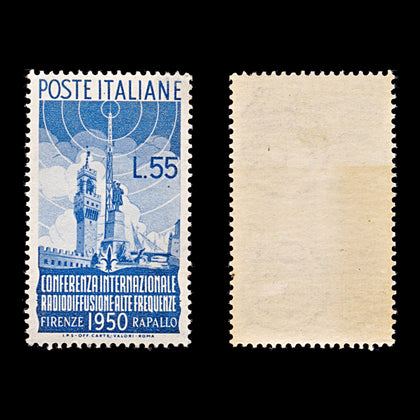
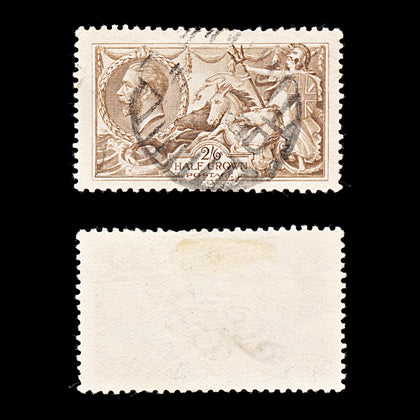
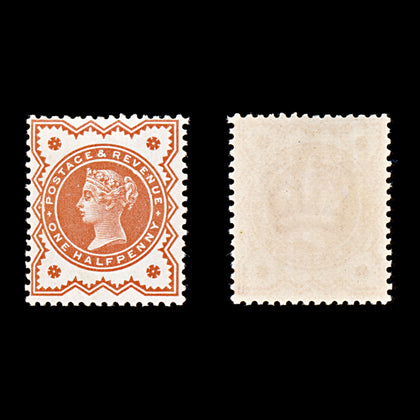
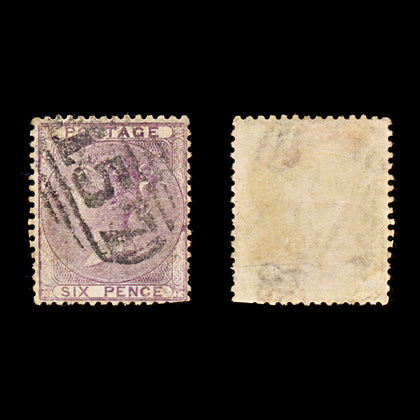
Common heads, glorious Seahorses
Send photos for a free valuation
Email a free valuationBrowse Great Britain stamps Founder and stamp dealerLast updated June 2026