


Value guide
The Most Valuable GB Stamps
The most valuable Great Britain stamps include genuine rarities such as the Penny Red Plate 77, of which only a handful survive, and iconic high-value classics such as the 1882 £5 Orange and the 1929 Postal Union Congress £1. Famous errors, such as missing-colour commemoratives, can also be highly valuable. In every case condition is decisive: a celebrated stamp is only worth a great deal in fine condition, and common versions can be modest.

At a glance
Rare versus iconic
Before the list, one distinction matters, because "most valuable" covers two different things. Some stamps are genuine rarities, of which very few exist. Others are iconic and valuable in fine condition, but not actually rare, having been printed in numbers. The Penny Black is the classic example of the second kind.
Running through both is condition. A famous stamp in poor, faulty or repaired condition can be worth a fraction of a fine one, while an exceptional example can far exceed its catalogue figure. So treat what follows as a guide to the great Great Britain stamps, with an honest word on each. Our guides to rarity and demand and condition and value explain why.
The great GB rarities and classics
Values are a guide only and depend on condition and the individual stamp.
Why condition is everything
It is worth saying plainly: even the most famous stamp is only worth a great deal in good condition. A worn, faulty or repaired example of a celebrated stamp can be worth a small fraction of a fine one. The reverse is also true, as a stamp in exceptional condition can fetch far more than its catalogue value. Whenever you read of a record price, it is almost always a superb example that achieved it. Our guide to condition and value explains the difference it makes.
Beware fakes and rare stamp claims
A gentle reality check
The most valuable stamps are also the most faked, repaired and misattributed, so caution is essential. A genuine rarity needs expert examination and an authenticating certificate before any value can be relied upon.
It is also worth a gentle reality check. The great majority of stamps in ordinary collections are common, however old or attractive, so treat any casual "rare GB stamp" claim with care. Our guides to our quality and grading standards and our accreditations explain how we protect buyers.
Do you think you have one?
Genuine rarities are, by definition, very rare, and most collections do not contain one. But it is worth checking, precisely because the few that do can be worth a great deal, and the difference is easy to miss.
Send us clear photographs for a free, honest valuation, and we will tell you plainly what you have. For a genuine rarity, an auction may well serve you best, and we will say so, as our guide to selling at auction or to a dealer explains.
Frequently asked questions
Among the most valuable is the Penny Red Plate 77, of which only a handful survive, with sales of around £500,000. Other great stamps include the 1882 £5 Orange and the 1929 Postal Union Congress £1. In every case, condition decides the figure.
No. The Penny Black is the most famous, but it is iconic rather than rare, and scarcer items such as the Penny Red Plate 77 and the VR Official Penny Black can be worth far more.
Genuine scarcity and collector demand, together with condition. Fame alone is not enough, and a common stamp is not valuable simply because it is well known or old.
Most are common and worth little, while a few are genuinely valuable. Age does not decide it; scarcity, demand and condition do. It is always worth having a collection checked.
Have it valued honestly, and have any potential rarity expertly examined and certified. You are welcome to send us photographs for a free assessment.
From the shop
Browse our Great Britain stamps
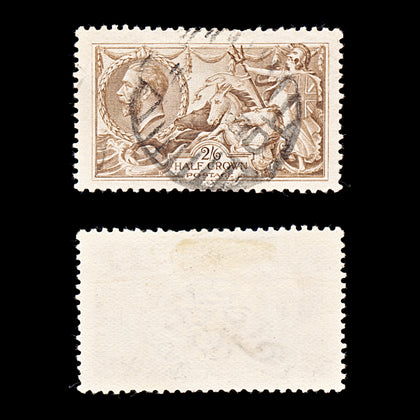
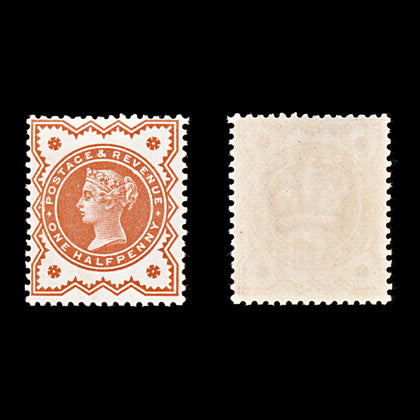
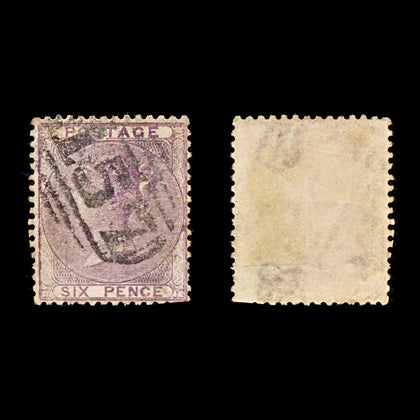
Each fully described and photographed front and back. Our everyday stock, honestly graded.
Genuine rarities are easy to miss
Send photos for a free valuation
Email a free valuationBrowse Great Britain stamps Founder and stamp dealerLast updated June 2026