


Buying with confidence
Our Quality and Grading Standards
We grade and describe every stamp to the standard terminology used by Stanley Gibbons, and we photograph every stamp in high resolution, front and back, so you can judge its condition for yourself. Every fault, repair or regumming is disclosed, a forgery is never knowingly sold as genuine, and for high-value stamps we obtain or rely on a certificate from a recognised expert. If a stamp ever reaches you and is not as described, you can return it.

At a glance
How we grade condition
We follow the grading definitions used by Stanley Gibbons, the standard reference for British philately, so the terms on our listings mean exactly what an experienced collector expects them to mean.
| Term | What it means |
|---|---|
| Unmounted Mint (UM) / Mint Never Hinged (MNH) | Full original gum, never hinged or mounted. The gum is as issued. |
| Mint Very Lightly Hinged (MVLH) | Original gum with only the faintest trace of a hinge, barely perceptible. |
| Mint Lightly Hinged (MLH) | Original gum with a light but clearly visible hinge mark. |
| Mint Hinged (MH) / Mounted Mint | Original gum with a more pronounced hinge mark. |
| Mint No Gum (MNG) / Unused | A mint stamp without gum, whether never present or since removed. |
| Used | A stamp that has been postally used and cancelled. |
| Fine Used (FU) | Used, with a light, neat cancellation and good overall appearance. |
| Very Fine Used (VFU) | Used, in superior condition with an especially clean, well-placed cancel. |
| Cancelled to Order (CTO) | Cancelled in bulk by the postal authority rather than through the post, often with full gum. |

Our approach
Why we show front and back, rather than grade centring
You will notice that we do not assign a centring or quality grade, such as "fine" or "superb", to most stamps. This is deliberate.
A centring grade is a matter of opinion, and one collector's "fine" is another's "very fine". Rather than ask you to take our word for it, we photograph every stamp in high resolution, front and back, so you can see exactly what you are buying and judge its centring and appearance for yourself. The only time we add a comment on quality is to point out something the images cannot show you, such as a hidden thin, a repair, or a fault visible only on close examination.
In other words, we describe what you cannot see, and let you see everything else. It is the surest way we know to make certain a stamp is never misdescribed.
What every listing tells you
Every listing carries the information you need to identify a stamp precisely and value it accurately.
- Catalogue references: the Stanley Gibbons (SG) number, with Scott, Michel and Yvert numbers where they apply
- The condition, graded to the terms above
- The catalogue value, issue date and denomination
- Any plate, variety or postmark detail that matters
- High-resolution images of both the front and the back
Collectors in different countries rely on different catalogues, Stanley Gibbons in Britain, Scott in the United States, Michel across much of Europe and Yvert et Tellier in France, so we give the reference for each where it applies. It means that whichever catalogue you collect by, you can find the stamp.
Authenticity, faults and certificates
Honest description is not optional for us. It is required by the codes of the PTS and the IPDA, and it is simply how we believe stamps should be sold.
Every fault, repair or instance of regumming is disclosed, without exception. A forgery is never knowingly sold as genuine. And for high-value stamps, we obtain or rely on a certificate from a recognised expert where appropriate, so that you can buy with certainty rather than hope.
If a stamp is not as described
If, despite all of this, a stamp ever reaches you and is not as described, you can return it. That promise is the point of the standards, not an afterthought to them, and you will find the detail on our returns page.
Frequently asked questions
We grade to Stanley Gibbons' standard terminology and photograph every stamp front and back in high resolution, so you can judge its condition yourself. We disclose every fault and never knowingly sell a forgery as genuine.
MNH (Mint Never Hinged) has full original gum and has never been hinged. MVLH (Mint Very Lightly Hinged) has the faintest trace of a hinge. MH (Mint Hinged) has a more pronounced hinge mark. All three retain their original gum.
No. Centring is a matter of opinion, so instead of grading it we show high-resolution images of the front and back and let you judge for yourself. We only add a note on quality to disclose something the images cannot show.
Yes, always. Every fault, repair or regumming is disclosed on the listing.
Yes. A forgery is never knowingly sold as genuine, and for high-value stamps we obtain or rely on a certificate from a recognised expert.
You can return it. See our returns policy for the detail.
From the shop
See the standards in practice
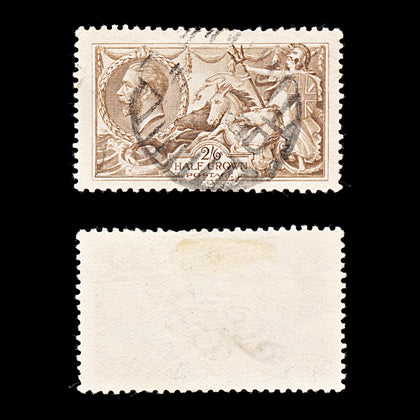
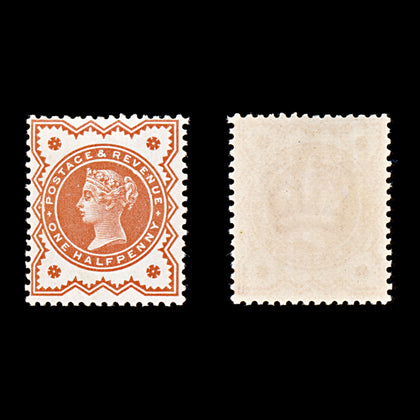
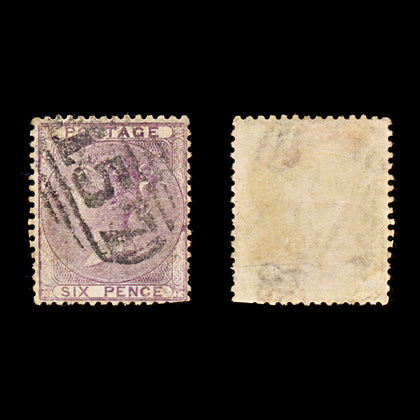
Every listing is described and imaged to the standards above. Browse a selection from our Great Britain stock and see for yourself.

 Founder and stamp dealerLast updated June 2026